

Full-Service vs Load-and-Unload Moves: Which Is Right?

Full-Service vs Load-and-Unload Moves: Which types of removal servicesFits Your Job? 

A key difference between full-service removals and load-and-unload-only moves is how much of the work you want the removalist to handle. One option can take care of most of the moving process, while the other gives you professional help with the heavy lifting and transport but leaves tasks such as packing and unpacking in your hands.

Understanding the different types of removal services makes it easier to choose a setup that suits your budget, schedule and the amount of preparation you can manage. Whether you’re moving a family home in Hobart, shifting a rental in Sandy Bay or relocating a small office, the right service level can make moving day far less stressful.

The best choice isn’t automatically the one that includes the most services. It’s the one that covers the tasks you need help with, while leaving you comfortable handling the rest.

Understanding the Main Types of Removal Services

Removalists can offer different levels of assistance, depending on the company and the job. Broadly, the choice is between a more comprehensive service and a labour-focused option where you organise most of the preparation yourself.

What Are Full-Service Removals?

Full-service removals are designed for people who want help with several stages of a move, rather than just the transportation. The exact inclusions vary, so it’s important to confirm what the removalist will actually do before booking.

Depending on the provider and your agreement, a full-service move may include:

  • Packing household belongings into boxes.
  • Supplying or arranging packing materials.
  • Wrapping and protecting furniture.
  • Loading belongings onto the truck.
  • Transporting items to the new property.
  • Unloading furniture and boxes into the rooms you specify.
  • Unpacking or helping arrange items, if this has been agreed.

Some companies offer packing as an optional extra rather than including it automatically. Others may provide furniture dismantling and reassembly, but you should never assume this is part of the standard service.

The main advantage is convenience. You have fewer moving tasks to organise yourself, which can be especially useful if you’re managing work, children, an office relocation or a tight moving schedule.

Before choosing between full-service and load-and-unload moves, compare what each company includes, request a written quote and check the service agreement. The NSW Government’s guide to choosing a removalist explains what to look for when comparing removalist services, quotes and insurance.

What Does Load and Unload Only Mean?

A load and unload only service is a more hands-on option for the customer. You take responsibility for preparing the belongings, while the removalist team helps with the physical work involved in loading, transporting and unloading them.

Typically, you would:

  • Pack your own boxes and label them.
  • Empty cupboards, drawers and storage areas.
  • Arrange loose items so they’re ready to be moved.
  • Prepare furniture for transport, where necessary.
  • Make sure the truck can be loaded safely and efficiently.

The removalist team handles the agreed lifting, loading, transport and unloading. Confirm whether furniture wrapping, dismantling or reassembly is included, as these details can differ between providers.

This option can suit people who are organised, have enough time to prepare and don’t need someone else to pack their belongings. It can also be practical for students, renters or smaller moves where most items are already boxed.

Full-Service vs Load-and-Unload Moves: What’s the Difference?

The biggest difference is the division of responsibility. With full-service removals, the removalist may take on several preparation tasks as well as the physical move. With load-and-unload-only arrangements, you generally organise the packing and get everything ready before the team arrives.

Moving taskFull-service removalsLoad and unload only
Packing boxesMay be included or addedUsually handled by you
Packing materialsConfirm with providerUsually organised by you
Furniture protectionConfirm the agreed serviceConfirm the agreed service
Loading the truckRemovalist teamRemovalist team
TransportAs agreedAs agreed
UnloadingRemovalist teamRemovalist team
UnpackingMay be available as an extraUsually handled by you

Neither option is automatically better. A full-service move reduces the amount you need to organise, while a load-and-unload arrangement gives you more control over preparation.

Before comparing quotes, make sure you’re comparing the same tasks. A quote that includes packing, for example, isn’t directly comparable with one covering only loading, transport and unloading.

Which Types Of Removal Services Suits Your Move?

Think about your available time, the size of the property and how much physical work you can reasonably manage.

Choose Full-Service Removals If You Have Limited Time

Full-service removals may be a good fit if your schedule is already full. You might be moving while working full-time, looking after children or preparing a property for new tenants.

It can also suit:

  • Families: Packing an entire household can take longer than expected, particularly when several rooms, toys and everyday essentials are involved.
  • Downsizers: If you’re moving from a larger home, you may have furniture, fragile items and belongings that need careful handling.
  • People moving interstate or to Tasmania: If you aren’t nearby to organise every detail, having more assistance can make coordination easier.
  • Office managers: A business move may involve equipment, furniture and deadlines that need to be planned around normal operations.

You should still sort, declutter and identify items that need special attention. Full-service doesn’t mean every decision is made for you.

Choose Load and Unload Only If You’re Happy to Prepare

Load-and-unload-only moves can work well when you have the time and ability to handle the preparation.

For example, a student moving between rentals may already have most belongings packed into boxes. A couple moving from a small unit might prefer to organise their own packing and pay for help with heavier furniture and transport.

This option may also suit people who want to pack fragile or personal belongings themselves. You can decide how items are grouped, labelled and prepared, while leaving the heavy lifting to the removalist team.

However, be realistic about the workload. Packing a home after work or over one weekend can become tiring, especially if you underestimate how many cupboards, drawers and storage areas need attention.

Hobart Moving Conditions to Consider

The layout of your property can influence which service level makes sense. In Hobart, some homes have steep driveways, stairs, narrow access points or limited space near the entrance. These details can affect how long loading and unloading take.

Wet or cool weather can also make preparation more demanding. If you’re packing everything yourself, keep boxes protected and avoid leaving furniture or belongings exposed outside while waiting for the truck.

Tell the removalist about access conditions before moving day. Mention stairs, lifts, long carries, tight entrances, large furniture and any access restrictions you already know about. Clear information helps the team plan the job and provide a more accurate quote.

Furniture removalist carefully moving a wrapped sofa down steps in Hobart

Can You Combine Packing and Moving Options?

Yes. You don’t always have to choose between a completely hands-off move and doing everything yourself. Depending on the provider, you may be able to arrange a combination of services.

For example, you could pack clothing, books and kitchen items yourself, then arrange help with selected fragile or bulky belongings. Alternatively, you might organise the packing but ask the removalist to wrap and protect larger furniture before loading.

A mixed approach can be useful when:

  • You have time to pack most belongings but need help with heavy items.
  • You’re comfortable preparing boxes but unsure how to protect delicate furniture.
  • You want assistance with selected rooms rather than the whole property.
  • You’re moving an office and need help with furniture and equipment handling.

Ask for a clear breakdown of what’s included. If you need packing assistance, specify whether you want the whole property packed or only certain items. The same applies to furniture wrapping, dismantling and reassembly.

You can review the available removal and moving services to understand the types of assistance that may be available for your job.

Moving-Day Preparation Checklist

Whichever service you choose, a little preparation makes the day easier. Use this checklist before the removalist arrives.

  • Confirm the service: Check whether the booking includes packing, furniture wrapping, loading, transport and unloading.
  • Finish your packing: If you’ve booked load and unload only, have boxes packed, sealed and labelled before the team arrives.
  • Separate essentials: Keep medication, documents, keys, chargers and a change of clothes somewhere accessible.
  • Identify fragile items: Point out delicate belongings and explain any special handling requirements.
  • Clear access paths: Move loose items, rubbish and obstacles away from doorways and walkways.
  • Discuss access: Confirm parking arrangements and tell the removalist about stairs, steep driveways or narrow entrances. Check any relevant local requirements rather than assuming a particular arrangement is permitted.
  • Agree on placement: Label boxes by room and let the team know where larger furniture should go at the new property.

If you’re unsure how much assistance you need, discuss the job before settling on a service. A clear list of belongings and an honest description of both properties can help the removalist recommend a suitable arrangement.

How to Compare Removal Quotes Properly

Don’t compare providers on the service name alone. Ask what the quote covers and whether any tasks you expect are excluded.

Useful questions include:

  1. Is packing included, optional or unavailable?
  2. Are furniture blankets, straps and protective wrapping provided?
  3. Does the team dismantle or reassemble furniture?
  4. Are stairs, long carries or difficult access considered?
  5. Is the quote hourly or fixed-rate, and what does it cover?
  6. Are there any tasks you’ll need to complete before the team arrives?

For a move involving larger household items, take a look at the house removal service in Hobart and discuss the size and access requirements of your property.

Frequently Asked Questions

What Is a Removal Task?

A removal task is any job involved in moving belongings from one location to another. It can include packing, lifting, wrapping furniture, loading a truck, transporting items and unloading them at the destination. The tasks included depend on the service you’ve booked.

What Are the Top 5 Moving Companies?

There isn’t one definitive top-five list that suits every move. The right company depends on your location, the type of belongings, access conditions and the services you need. Compare local providers based on clear quotes, insurance information, communication, service inclusions and experience with jobs similar to yours.

What Is the Difference Between Packers and Movers?

Packers prepare belongings for transport by placing items into boxes and protecting them. Movers handle the physical relocation, including lifting, loading, transporting and unloading. Some removalists offer both services, while others provide moving labour only or arrange packing as an extra.

What Is Removal Work?

Removal work refers to the practical work involved in clearing belongings from a property and moving them elsewhere. It may include household or office relocations, furniture transport, loading and unloading, and sometimes packing or rubbish removal. The exact work depends on the job.

Conclusion: Choose Types Of Removal Services Level That Fits Your Job

Choosing between full-service removals and load-and-unload-only help comes down to how much of the move you want to manage yourself. If time is limited or the property has a lot of belongings, a more comprehensive service may make sense. If you’re organised and happy to pack, a labour-focused option could be enough.

Think through the tasks, access conditions and time available before booking. Shaggy Removal Service can help you discuss your moving requirements and arrange a suitable option across Hobart and surrounding areas. Request a free quote once you know what needs moving and what assistance you’d like.

DIY Move vs Removalist: Which Is Better for Your Move?

DIY Move vs Removalist: Which Is Better for Your Move?

Moving house can be expensive, so it is natural to wonder whether you really need professional help or could handle everything yourself. When comparing a DIY move vs removalist, the decision involves more than the cost of hiring a truck.

Moving yourself can save money on labour, particularly if you have a small load and plenty of willing helpers. However, truck hire, fuel, equipment, time, physical effort and the risk of damaging belongings can quickly change the calculation.

So, should you hire movers or DIY? This guide compares the costs, workload, risks and practical considerations to help you decide what makes sense for your move in Hobart or elsewhere in Tasmania.

DIY Move vs Removalist: What Is the Real Difference?

A DIY move means organising the truck, packing, lifting, transport and unloading yourself, often with help from friends or family. You are responsible for coordinating each stage, from collecting the vehicle to making sure everything reaches the new property.

Hiring a removalist means paying a professional crew to handle some or all of the physical move. Depending on the service you arrange, this may include loading, transporting, unloading and handling larger furniture.

Neither option is right for everyone. A student moving a few boxes between nearby properties has different needs from a family relocating a fully furnished home.

The important thing when comparing a DIY move vs removalist is to consider the complete workload and cost, not just the truck hire against a removalist quote.

Is It Cheaper to Move Yourself?

It can be. If you have a small amount to move, access is easy and you can borrow suitable equipment, moving yourself may be the more economical choice.

However, the cost of moving yourself includes more than hiring a vehicle. Before deciding that DIY is cheaper, consider the expenses and time involved.

  • Truck or van hire: Check the vehicle size, hire period, collection and return arrangements. A vehicle that is too small could mean making additional trips.
  • Fuel and travel: Include fuel, travel to collect the vehicle and the journey required to return it.
  • Moving equipment: You may need a trolley, straps, blankets and protective materials to handle furniture safely.
  • Packing supplies: Boxes, tape, bubble wrap and other wrapping materials can add to the total.
  • Extra help: Friends may be happy to help, but you still need enough people to handle the load safely.
  • Your time: Packing, loading, driving, unloading and returning the vehicle can take much of your day.

There may also be costs if something goes wrong. Damaged furniture, scratched walls or an item that cannot fit through a doorway can create additional problems and expense.

Compare these costs with a professional quote that clearly explains what is included. A removalist may offer better overall value when the move involves heavy furniture, several rooms or difficult access.

What Does a Removalist Quote Include?

Before comparing a DIY move vs removalist, check exactly what you are paying for. Quotes can differ depending on the crew size, vehicle, estimated workload and services included.

Ask whether the quote covers loading, transport and unloading, and whether protective blankets and straps are provided. Also clarify how additional work, waiting time, extra trips or difficult access could affect the final cost.

A clear comparison helps you avoid choosing DIY simply because the initial truck hire price looks lower.

When Does Moving Yourself Make Sense?

A DIY move can be practical when the job is manageable and you have the right resources. It is not necessarily the wrong choice; it simply works better for some types of relocation than others.

Consider moving yourself if:

  • You have a small load: A few boxes, bags and manageable furniture pieces may not require a full removal service.
  • The properties are close together: A short journey can make transport easier to organise.
  • You have suitable help: Friends or family are available and understand the work involved.
  • Access is straightforward: There are no difficult staircases, narrow entrances or steep driveways.
  • You have enough time: You can pack, collect the vehicle and complete the move without rushing.
  • You have the right vehicle and equipment: The truck or van is suitable for your belongings, and you have the materials needed to secure the load.

For example, a student moving from one furnished room to another may only need a small vehicle and a little assistance. A full household move is a different proposition.

Be realistic about what you can safely lift and transport. A heavy fridge, solid timber cabinet or large sofa may be difficult to manage without proper equipment and experience.

When Is It Better to Hire Movers?

Professional movers are worth considering when the job is physically demanding, involves valuable belongings or needs to be completed within a set timeframe. In these situations, the convenience and reduced workload may justify the cost.

You Have a Full Household to Move

A family home can contain far more than the furniture in the main rooms. Garages, sheds, outdoor areas, cupboards and storage spaces can add considerably to the load.

A removalist crew can organise the loading and transport process, helping you avoid managing every part of the move yourself. You can explore the house removal service in Hobart if you need help relocating a household.

There Are Heavy or Awkward Items

Pianos, large wardrobes, refrigerators and bulky lounge suites can be difficult to manoeuvre through doorways and down stairs. They may require extra people, suitable equipment and careful planning.

Trying to handle these items without the right experience can put people and belongings at risk. If you have unusually large or valuable items, mention them when requesting a quote rather than assuming they can be handled as part of an ordinary load.

You Have Difficult Property Access

Hobart homes can have steep driveways, narrow streets, stairs and limited areas for loading. These conditions can make a DIY move more complicated, particularly when you are driving a larger rental truck for the first time.

Professional movers can assess the access conditions and plan how to handle the job. Sharing details about parking, entrances and stairs before moving day helps the crew prepare.

You Need to Save Time

Moving yourself means coordinating every stage. If you are working, managing children or preparing to hand back a rental property, the time involved can become a major consideration.

Hiring a crew allows you to focus on other moving tasks while the physical loading and transport are handled by the agreed team. It can also make the day easier to organise when several rooms or large furniture items are involved.

Movers protecting a sofa with furniture blankets before carrying it to the truck

DIY Moving Risks: Time, Injuries and Damaged Belongings

The biggest disadvantage of a DIY move is that you take responsibility for organising and carrying out the work. Even when friends or family offer to help, you are still coordinating the vehicle, equipment, loading and transport.

Physical Strain and Injury

Lifting heavy furniture, carrying boxes repeatedly and navigating stairs can put considerable strain on your body. Awkward loads and sudden movements can also cause injuries.

Safe Work Australia’s guidance on lifting, pushing and pulling explains the risks associated with hazardous manual tasks. If you are unsure whether an item can be moved safely, do not attempt to lift it without suitable help or equipment.

Damage to Furniture and Property

Without suitable blankets, straps and handling equipment, furniture can be scratched or damaged during loading and transport. Walls, doorframes and floors can also be marked when large items are moved through tight spaces.

Professional removalists use protective materials and plan how to handle furniture. This does not remove every possible risk, but it can help reduce avoidable damage.

Underestimating the Time Involved

A DIY move often takes longer than expected. Packing, collecting the truck, loading, driving, unloading and returning the vehicle all need to fit into your schedule.

If you underestimate the workload, you may end up rushing towards the end of the day. That can make handling belongings more difficult and leave little time to deal with unexpected problems.

DIY Move vs Removalist: A Quick Comparison

FactorDIY moveProfessional removalist
Upfront expenseMay be lower for small loadsRequires a removal quote
Physical workMostly your responsibilityCrew handles agreed moving work
Time and organisationYou coordinate everythingCrew manages the removal tasks
EquipmentYou arrange itConfirm what is provided
Damage riskDepends on your handling and preparationProfessional handling can reduce risks
FlexibilityYou control your scheduleDepends on booking availability
Heavy furnitureYou arrange suitable helpCrew can handle agreed items

The right choice depends on your priorities. If keeping costs down is most important and the load is small, DIY may suit. If you want to reduce the physical workload and have a larger move to manage, professional help may be worthwhile.

A Middle Ground: Do Some Tasks Yourself and Hire Movers for the Rest

You do not always have to choose between doing everything yourself and paying for a complete removal service. A practical option is to handle the tasks you can manage and hire movers for the heavier work.

For example, you could:

  • Pack your own boxes and label them by room.
  • Sort belongings and arrange donations or disposal before moving day.
  • Prepare suitable household items according to their instructions.
  • Ask movers to handle large furniture, appliances and transport.
  • Arrange separate specialist assistance for items such as a piano.

This approach can reduce the amount of professional assistance you need while leaving the more demanding parts to an experienced crew.

If you are comparing services, ask whether an hourly arrangement or a defined removal job better suits the work you want handled. Make sure you understand what you are expected to prepare before the crew arrives.

How to Decide: A Checklist Before You Book

Before choosing between a DIY move vs removalist, consider these questions:

How much are you moving? A few boxes are very different from a fully furnished home. Make a basic inventory of furniture, appliances and boxes.

Are there heavy or fragile items? Identify pianos, appliances, glass furniture and oversized pieces that may need special handling.

What is access like? Check stairs, driveways, entrances and truck access at both properties.

Do you have enough help? Make sure you have suitable people and equipment, not just willing volunteers.

How much time can you spare? Include packing, loading, travel, unloading and vehicle return.

Have you compared the full costs? Include truck hire, fuel, supplies and equipment alongside the removalist quote.

What happens if the move takes longer than expected? Consider vehicle return deadlines, additional hire time and the availability of your helpers.

These questions should give you a clearer idea of how demanding the move will be and whether doing it yourself is genuinely worthwhile.

Frequently Asked Questions

What Is the Cheapest Moving Option?

For a small move, using your own vehicle or hiring a van may be cheaper. For larger moves, compare all DIY expenses with a professional removalist quote, including equipment, fuel and the time required.

What Do Professional Movers Hate to Move the Most?

There is no universal list, but very heavy, awkward, fragile or poorly prepared items need extra planning. Always tell movers about unusual or bulky belongings before booking so they can assess the requirements.

Is It Cheaper to Move Yourself?

It can be, especially when you have few belongings and suitable help. However, truck hire, fuel, equipment, packing supplies and your time all contribute to the total cost. Compare the full expense before deciding.

What Is the Most Efficient Way to Move from One House to Another?

Pack early, label boxes, clear access routes, organise transport and arrange help for heavy items. A clear plan makes either a DIY or professional move easier.

Organised moving boxes and furniture being carried into a new house

Conclusion: Choose the Approach That Works for You

When comparing a DIY move vs removalist, think beyond the initial expense. A small, straightforward move may be manageable yourself, while a larger household relocation can involve more time, physical effort and risk than expected.

The best option is the one that suits your belongings, budget, schedule and access conditions. Compare the complete costs, understand the work involved and decide which tasks you are comfortable handling.

If you would rather leave the heavy lifting and transport to an experienced crew, Shaggy Removal Service can help with moves in Hobart and across Tasmania. Request a free moving quote and discuss the size of your move and the assistance you need.

How Long Does It Take to Move House? Timeframes by Size

How Long Does It Take to Move House? Timeframes by Home Size

One of the first questions people ask when planning a relocation is, how long does it take to move house? You want to know when the truck will arrive, how long loading might take and whether you will be unpacking late into the evening.

The answer depends on more than the number of bedrooms. Your belongings, property access, packing, crew size and travel distance can all affect how long the job takes.

This guide explains typical moving timeframes by home size, what can slow down a removal and how to keep moving day organised in Hobart and across Tasmania.

How Long Does It Take to Move House by Home Size?

Every move is different, so the timeframes below are general planning estimates rather than guaranteed completion times. They refer to the physical removal work, including loading and unloading, but do not include packing beforehand or additional travel between distant towns.

The actual duration will depend on how much you own, how many movers are available, the size of the truck and how easily the crew can access both properties.

Home sizeGeneral handling-time guide
Studio or one-bedroom homeAround 3–5 hours
Two-bedroom homeAround 4–6 hours
Three-bedroom homeAround 5–8 hours
Four-bedroom home or largerAround 7–10 hours or more

These estimates are best used as a starting point. A small apartment with several flights of stairs could take longer than a well-organised two-bedroom house with easy driveway access. Your removalist can provide a more useful estimate after understanding the volume and conditions of your move.

Studio or One-Bedroom Home

A studio or one-bedroom property is often quicker to move because there are fewer rooms and generally less furniture. However, the moving time one bedroom property requires still depends on whether it is fully furnished, how many boxes you have and how easily the crew can reach the truck.

A lightly furnished studio with packed boxes and straightforward access may be completed within a few hours of handling time. A fully furnished one-bedroom home with large appliances, a storage area or bulky furniture may need longer.

Apartments can also introduce extra steps. Lift bookings, shared corridors, stairs and restricted loading areas can all affect how quickly belongings reach the truck.

If you are moving only a small load, a two-men-and-a-truck service may be worth considering, depending on the volume and handling requirements.

Two-Bedroom Home

A two-bedroom home generally involves more furniture, appliances and boxes. The crew needs to load items from bedrooms, living areas, the kitchen and possibly outdoor spaces or storage areas.

Allow a substantial part of the day rather than assuming the move will be finished in just a couple of hours. A home with a large lounge suite, several wardrobes, outdoor furniture and a full kitchen will take longer to clear than a minimally furnished property.

Having everything packed and ready can make a noticeable difference. It also helps to group boxes by room and make sure the removalists can reach larger furniture without moving smaller items out of the way first.

Three-Bedroom Home

A three-bedroom property usually has a larger volume of belongings, which means more loading and unloading. The 3 bedroom move duration can vary depending on the number of occupants, furniture, garage contents and outdoor equipment.

For many households, it is sensible to keep most of the day available. The bedrooms may contain beds, mattresses, wardrobes and drawers, while the living and dining areas can add bulky furniture and fragile items.

A larger crew may help with the workload, but the right crew size depends on the inventory, access and truck capacity. More movers do not automatically mean the job will take half as long, particularly when there are narrow hallways or heavy items that need careful handling.

You can discuss the two-men-and-a-truck moving option when arranging your move and ask which crew size is appropriate for your home.

Four-Bedroom Home or Larger

A larger home may require a full day or more, particularly if it has several living areas, storage spaces, outdoor furniture or bulky appliances. Some moves may also need more than one truckload.

Garages, sheds and garden areas are easy to underestimate. Tools, bicycles, outdoor settings, storage tubs and equipment can add considerably to the total volume, even when the main rooms are already packed.

An assessment before moving day helps the removalist estimate the vehicle, crew and time required. The house removal service in Hobart is a useful starting point when planning a larger household relocation.

What Affects the Time to Load a Truck?

The time to load a truck is not determined by the number of rooms alone. Two homes of the same size can take very different amounts of time to clear.

The Volume and Type of Belongings

A home with a few large pieces may be quicker to load than one with packed cupboards, a full garage and numerous boxes. The total number of items matters, but so does their shape, weight and handling requirements.

Heavy or awkward belongings, such as pianos, oversized cabinets, solid timber furniture and large appliances, may need additional preparation. Some items require more than one person to carry safely, while others need protective wrapping or careful positioning inside the truck.

Tell the removalist about these items when arranging your booking. Providing an accurate inventory helps the crew prepare the right equipment and estimate the workload.

Packing and Preparation

Packing is one of the biggest factors you can control. When boxes are sealed, labelled and grouped together, movers can focus on loading rather than waiting for items to be packed.

If packing is still underway, the job may take longer. Loose belongings, half-filled boxes and items left in cupboards can interrupt the loading process.

Dismantling beds, tables and other furniture can also add time. Agree beforehand on who will handle this work and whether any reassembly is required at the destination.

Stairs and Property Access

Stairs, narrow hallways, small lifts and long paths between the front door and truck can slow loading and unloading.

In Hobart, steep driveways and narrow streets may affect where a truck can safely position itself. If the truck cannot park close to the entrance, movers may need to carry belongings over a longer distance.

Tell your removalist about these conditions and consider sharing photos of entrances, staircases, lifts and driveway access. It is better to identify a potential access issue before moving day than discover it when the truck arrives.

Organised labelled boxes and wrapped furniture prepared for moving day

Crew Size and Truck Capacity

The number of movers and the size of the truck can influence the schedule. A crew that is too small for a large household may need more time to complete the work. On the other hand, a suitable team can divide tasks and keep loading and unloading organised.

Truck capacity matters too. If all belongings cannot fit safely into one load, a second trip may be necessary. This can add considerable time, especially if the properties are far apart.

When requesting a quote, describe the size of your home and the main furniture items rather than relying on bedroom count alone.

How Distance and Weather Can Change Your Moving Day

Travel is another important part of the schedule. Even a local Hobart move can be affected by traffic, roadworks and access at the destination. A relocation to another Tasmanian town needs additional travel planning, so provide both addresses when requesting an estimate.

Remember that the removal process does not end when the truck leaves your old home. The crew still needs to travel to the new property, unload the belongings and place furniture in the agreed rooms.

Wet or cold weather may also mean taking extra care with floors, entryways and furniture. Keep pathways clear and discuss how belongings will be protected if rain is forecast. Safe handling should take priority over trying to finish a move in a hurry.

How Can You Make Your Move Faster?

You cannot control every delay, but preparing before the truck arrives can help the crew work efficiently.

  • Pack in advance: Finish most packing before moving day and label boxes by room.
  • Separate items that are not moving: Identify anything staying behind, going into storage or being disposed of.
  • Clear access routes: Keep hallways, stairs and paths to the truck free of obstacles.
  • Arrange access and parking: Check that the truck can reach the property and that any necessary arrangements are in place.
  • Prepare large furniture: Empty drawers where appropriate and dismantle agreed items before the crew arrives.
  • Keep essentials nearby: Set aside keys, medication, documents, chargers and items you need immediately.
  • Update your removalist: If your inventory or destination changes, share the details before moving day.

It is also helpful to make sure children and pets have a safe place away from the main loading areas. This gives the crew room to work and reduces the risk of someone getting in the way while heavy furniture is being carried.

For a household relocation, reviewing the house removal service can help you understand the assistance available. Explain the size of your home and any access challenges when discussing your requirements.

How Much Time Should You Set Aside on Moving Day?

Avoid scheduling important appointments too close to the estimated finish time. Traffic, access delays, extra handling for bulky furniture or an additional truckload can extend the job.

If you are handing back a rental, leave enough time for cleaning and final inspections. You may also need to return keys, collect remaining belongings or check that storage areas have been emptied.

Apartment residents should confirm lift access and building arrangements beforehand. If your building has designated moving hours, make sure the removalist knows about them so the schedule can be planned accordingly.

Ask your removalist for an estimated arrival and completion window. Treat it as a guide rather than an exact promise, particularly when the move involves a long journey or difficult access. It is usually better to have some flexibility than to arrange several commitments around an overly tight schedule.

Frequently Asked Questions

What Is the Average Time It Takes to Move House?

There is no universal average. A small, well-prepared move may take a few hours of loading and unloading, while a larger home or property with difficult access can take most of the day or longer. Travel time should be considered separately.

How Long Does It Take to Fully Move Into a House?

The removal itself may finish in a day, but unpacking and setting up can take several days or more. Start with beds, kitchen essentials and everyday items so the home is comfortable while you unpack the remaining boxes.

How Fast Can You Move Into a House?

You may be able to move in on the same day your belongings are delivered, provided the property is ready and access is available. The timing depends on the size of the move, travel distance and whether the new home is prepared for furniture and boxes.

What’s the Quickest You Can Move a House?

A small local move with everything packed and easy access can be completed relatively quickly. There is no guaranteed minimum because every load, crew and property is different. Trying to rush the process can also increase the risk of damage or injury.

Removalists carefully carrying furniture into a clean new home

Conclusion: Plan for a Smoother Moving Day

So, how long does it take to move house? It depends on the volume of belongings, property access, packing, crew size and distance between addresses. A smaller move may take a few hours, while a larger household relocation can occupy most of the day or longer.

Share accurate details with your removalist and allow some flexibility in your schedule. If you are planning a move in Hobart or elsewhere in Tasmania, request a free quote from Shaggy Removal Service to discuss your home size, access and moving requirements.

Hourly Rate vs Fixed Price Removals: Which Is Better?

Hourly Rate vs Fixed Price Removals: Which Is Better for Your Move?

Choosing a removalist is one thing; deciding how to pay for the move is another. When comparing hourly rate vs fixed price removals, the lowest starting quote is not always the best value.

Both options can work well. Your choice depends on the size of the load, property access, travel distance and how certain you need the final cost to be. A small furniture delivery has different requirements from moving a fully furnished family home.

If you are planning a move in Hobart or elsewhere in Tasmania, understanding how removal pricing works will help you compare quotes fairly and avoid unexpected costs. Here is what to check before booking.

How Does Removalist Pricing Work?

Removalists generally charge by the hour or offer a fixed price for the agreed job. The main difference is how the final cost is calculated. With hourly pricing, the amount depends on the time taken. With a fixed quote, the price is based on the work and conditions described before the move.

Neither option is automatically cheaper. The best choice depends on how clearly the job can be defined and how likely delays or changes are.

What Is an Hourly Removalist Rate?

With an hourly removalist, you pay for the time the crew spends completing the move. The quote should explain the hourly charge, crew size, truck arrangement and any minimum booking period.

You pay for the time used, so delays or difficult access can increase the total. For example, stairs or waiting for property access can make the job take longer than expected.

Ask when billable time starts and ends. Does it begin when the crew arrives, when loading starts or when the truck leaves the depot? Check whether travel between properties, waiting time and any return travel are included. Also ask how additional time is calculated and whether the company rounds up to a set billing interval.

The hourly rate is only one part of the comparison. A higher rate may still offer better value if the crew and truck suit your move.

What Does a Fixed Price Mean?

Fixed price movers agree on a price for the specific work described in the quote. This can make budgeting easier because you know the agreed removal cost before moving day.

The quote is based on your inventory, access, addresses, travel distance, crew size and requested services. Accurate information helps make the fixed quote more reliable.

However, a fixed price does not mean every possible extra is automatically included. Adding furniture, changing the destination, requiring extra stops or requesting packing that was not part of the original agreement may lead to an adjustment.

Ask what the price covers, what is excluded and which changes could affect it. Make sure the agreed scope is written down so both you and the removalist understand what has been booked.

Hourly Rate vs Fixed Price Removals: What Is the Difference?

With hourly pricing, delays can increase the bill. With fixed pricing, the agreed price generally covers the stated scope, subject to the quote’s terms and any changes to the job.

ConsiderationHourly rateFixed price
Final costBased on time takenAgreed for listed work
Budget certaintyLess predictableUsually clearer
Often suitsSmaller or flexible jobsDefined household moves
DelaysMay add costUsually covered within agreed scope
ChangesMay add timeMay require a revised quote

Neither option is automatically cheaper. An hourly estimate can rise with delays, while a fixed quote may offer better value for a larger or more complex job. Equally, a fixed quote may not be worthwhile for a very small task that can be completed quickly.

When comparing hourly rate vs fixed price removals, look beyond the headline figure. Compare the crew, truck, travel arrangements, inclusions and conditions using the same inventory and addresses.

When Is an Hourly Rate the Better Option?

Hourly pricing can suit smaller jobs or moves where the workload is easy to manage. For example, you may need a few bulky items moved, furniture rearranged or a purchased lounge collected and delivered.

It works best when you have packed, cleared walkways and arranged access before the crew arrives. If the movers can start promptly and load without obstacles, there may be less unproductive time.

An hourly rate may suit you when:

  • You have a small load: Only a few items need transporting, rather than the contents of a whole house.
  • Access is straightforward: Both properties have easy entry and nearby truck access.
  • You are prepared: Boxes are sealed, furniture is ready to move and items that are not being transported have been separated.
  • Your timing is flexible: You are not working to a strict completion window or building access deadline.
  • The job is difficult to define as a package: You may need help with a short list of tasks rather than a standard household relocation.

Before booking, check the minimum charge, how time is rounded and whether travel is billable. Ask the removalist for an estimated duration based on the items and access, while remembering that an estimate is not necessarily a guaranteed total.

When Should You Choose Fixed Price Movers?

A fixed price may suit a full household move with a clearly defined scope. The removalist can assess your inventory, access and travel before preparing the quote.

Fixed pricing can be useful when:

  • You need budget certainty: You want to know the agreed removal cost in advance.
  • The job is substantial: Several rooms, appliances and bulky items need to be moved.
  • Your schedule is tight: You want the work assessed and organised before moving day.
  • Access is challenging: Stairs, long paths, steep driveways or limited truck access need to be considered.
  • You are coordinating other services: You may also be arranging cleaners, storage, utility connections or a property handover.

Hobart properties can have very different access conditions. A steep driveway or narrow street may require more planning than a home with a flat driveway and easy truck access. Mention these details when requesting a quote.

A fixed price is only useful if the quote reflects the actual job. Check that it lists the addresses, items, services and conditions covered. If you are unsure whether something is included, ask before accepting rather than assuming it will be handled on the day.

Removalist assessing household furniture and property access before preparing a quote

What Can Affect Your Removal Cost?

The amount of work matters whichever pricing method you choose. Give the removalist a realistic picture of the move so the quote is based on the right requirements.

The Volume and Type of Belongings

A few boxes and a sofa require a different level of work from a fully furnished home. Mention pianos, heavy cabinets, oversized sofas, appliances and fragile items so the crew can plan suitable handling.

Remember to include garage contents, outdoor furniture, sheds and storage areas. These are easy to overlook when estimating a household load, but they can add to the time, space and equipment required.

Access at Both Properties

Stairs, narrow hallways, long carries and limited truck access can slow loading and unloading. In parts of Hobart, steep driveways and narrow streets may also affect where a truck can safely stop.

Explain access at both addresses. Mention restricted parking, lift bookings or limited truck access. Photos or a short walkthrough can also help.

Packing and Extra Services

If movers need to pack items, dismantle furniture or provide other services, confirm whether these are included. Do not assume packing, reassembly or special handling is part of a standard removal quote.

If you are packing yourself, seal and label boxes before the crew arrives. Identify any items needing extra help when requesting the quote.

Travel and Waiting Time

Distance, traffic, lift availability and delays getting access to a property can affect the schedule. Ask how travel and waiting time are treated, especially for moves between suburbs or to another part of Tasmania.

For hourly pricing, clarify whether these periods are charged. For a fixed quote, check whether the stated price covers the agreed route and any planned stops.

How to Avoid Surprises Before You Book

Use this checklist when comparing removal pricing options:

  1. Prepare an inventory. List furniture, appliances, boxes and outdoor items, including anything unusually heavy or fragile.
  2. Describe access. Explain stairs, floor levels, driveway conditions, parking and the distance from the truck to the entrance.
  3. Confirm the crew and truck. Check how many movers are included and whether the vehicle suits the load.
  4. Check the inclusions. Confirm loading, unloading, travel, furniture wrapping, protective materials and any extra services.
  5. Ask about additional charges. For hourly work, clarify minimum hours, start and finish times, travel and waiting time. For fixed pricing, ask what changes could trigger a revised quote.
  6. Get it in writing. Keep the quote and written confirmation of the agreed work. If the job changes, ask for the revised cost before approving the extra work.

Compare quotes using the same items, addresses and services, not just the headline figure.

Questions to Ask Before Accepting a Quote

Before booking, ask:

  • Is the quote hourly or fixed, and what does it include?
  • When does billable time start and finish?
  • Are travel, waiting time or minimum booking periods charged separately?
  • What happens if the job takes longer or I add items?
  • Are furniture blankets, straps and protective materials included?
  • What insurance arrangements apply to the move?

Read the terms before confirming. The ACCC’s guidance on consumer rights and guarantees explains consumer protections that can apply when purchasing services, including expectations around due care and skill.

Frequently Asked Questions

How Much Should I Charge for an Hourly Rate?

If you are setting a removalist rate, account for labour, vehicle costs, travel, equipment and business expenses. If you are hiring movers, compare the full hourly terms rather than the rate alone. Check the minimum booking period and any additional charges before estimating the total.

What Does Fixed Hourly Rate Mean?

It usually means the hourly charge is agreed in advance, but the total still depends on the hours worked. A fixed-price removal instead covers the agreed job for a set price, subject to its terms and any changes to the scope.

What Is the Most Expensive Part of Moving?

The removal service can be a major expense, especially for large loads, difficult access or long distances. Packing, storage and cleaning may add to the overall budget. The biggest expense will depend on the size of the move and the services you need.

What Is the Cheapest Day for Movers?

There is no guaranteed cheapest day. Ask about weekday availability and quieter periods, and compare the actual quotes offered for your preferred dates. Prices and availability vary between removal companies, so confirm directly rather than assuming a particular day will cost less.

Conclusion: Choose the Pricing Model That Suits Your Move

When comparing hourly rate vs fixed price removals, consider the size of the job, how predictable it is and how much budget certainty you need. Hourly pricing offers flexibility for smaller or straightforward jobs, while a fixed quote can make budgeting easier for a clearly defined household move.

The best quote is based on accurate information and clear terms. Share your inventory, access conditions and requirements before booking, then get the agreed price and inclusions in writing.

If you are planning a move in Hobart or elsewhere in Tasmania, Shaggy Removal Service offers hourly and fixed-rate options with upfront pricing. Explore the house removal service or request a free quote to discuss your move.

2 vs 3 Men and a Truck: How Many Movers Do I Need?

How to Choose the Right Number of Movers for Your House Move

Choosing the right number of movers can make a significant difference to how smoothly your relocation goes. A smaller crew may take longer to complete the job, while hiring more people than necessary may not offer much additional benefit.

So, how many movers do I need for my house or office move? The answer depends on more than the number of bedrooms. Your furniture, number of boxes, property access, travel distance and available time all influence the crew size.

This guide compares two movers with three, explains when each option makes sense and helps you decide which arrangement is suitable for your Hobart move.

What Determines the Right Crew Size for a Move?

Before deciding between two and three movers, consider the actual workload. Two properties with the same number of bedrooms can have completely different moving requirements.

For example, a furnished two-bedroom apartment with minimal belongings may be easier to move than a smaller house containing bulky furniture, garage equipment and several storage areas.

Here are the main factors to consider.

1. Volume of Belongings

The total amount of furniture, boxes and household items is one of the biggest factors affecting crew size.

A lightly furnished apartment may only require a few hours of loading and unloading. However, a fully furnished family home with wardrobes, beds, dining furniture, appliances, outdoor settings and garage contents involves considerably more work.

The more items there are to move, the more time the crew needs to organise, carry, load and unload everything.

2. Heavy and Bulky Furniture

Some belongings require more attention than others. Refrigerators, washing machines, solid timber cabinets, large sofas, safes and pianos need careful handling.

Although two movers can handle many furniture items together, certain jobs may benefit from additional assistance. The removalist should assess the weight, dimensions and handling requirements before recommending a suitable crew.

Specialist equipment or a different handling arrangement may also be necessary for particularly heavy or delicate items.

3. Property Access

Access can significantly affect how long a move takes.

Ground-floor properties with wide entrances and nearby truck parking are generally easier to manage than homes with narrow staircases, tight corridors or long walking distances.

For Hobart properties, mention steep driveways, sloping blocks, narrow streets and limited parking when requesting a quote. These details help the removalist understand the practical challenges before moving day.

4. Distance Between Properties

Travel time also affects the overall schedule. A move involving several trips or a longer journey between suburbs requires different planning from a short local relocation.

The crew needs sufficient time for loading, securing furniture, travelling and unloading. The number of movers should therefore be considered alongside the distance and expected workload.

5. Preparation Before Moving Day

A well-prepared property is generally easier to move.

Packed and labelled boxes, dismantled furniture and clear walkways allow movers to concentrate on loading and transporting belongings. Last-minute packing, loose items and furniture that still needs dismantling can add considerable work.

Good preparation may make a two-person crew suitable for a job that would otherwise require more assistance.

When Is 2 Men and a Truck a Good Fit?

A 2 men and a truck service can be a practical choice for smaller relocations with manageable loads and straightforward access.

Two professional movers can divide responsibilities, coordinate furniture handling and manage the loading and unloading process. For suitable jobs, this arrangement provides enough assistance without requiring a larger crew.

It may be suitable for:

  • Studio and one-bedroom apartments: Particularly when the property has limited furniture and belongings.
  • Student relocations: Moving personal belongings, a bed, desk, small appliances and packed boxes.
  • Downsizing moves: Transporting a smaller selection of furniture after reducing household belongings.
  • Furniture collection and delivery: Moving a few large items between properties.
  • Small office relocations: Transporting a manageable number of desks, chairs and office equipment.
  • Short-distance moves: Relocations where the inventory is relatively small and access is straightforward.

A two-person crew can also work well when everything is packed beforehand and furniture is ready to be loaded.

However, fewer rooms do not automatically mean an easier job. A small apartment on an upper floor without convenient lift access can involve more physical work than a larger ground-floor property.

If you are considering this arrangement, explore the two men and a truck service in Hobart to understand whether it suits your moving requirements.

When Should You Consider 3 Men and a Truck?

A 3 men and a truck arrangement may be more appropriate when the workload is larger, several bulky items need handling or the moving schedule is restricted.

An additional mover gives the team more flexibility to divide responsibilities. While two people handle a suitable piece of furniture, another can organise the loading area, prepare the next items or assist with other tasks where appropriate.

Consider discussing a three-person crew for:

  • Furnished two- or three-bedroom homes: Particularly when most rooms contain furniture and household belongings.
  • Family relocations: Moves involving beds, wardrobes, appliances, dining settings, children’s furniture and numerous boxes.
  • Properties with difficult access: Homes with stairs, narrow hallways, long paths or challenging driveways.
  • Office relocations: Moves involving multiple workstations, desks, filing cabinets and equipment.
  • Time-sensitive moves: Situations where loading and unloading must fit within a limited access or handover window.
  • Larger furniture collections: Jobs involving several bulky or heavy items that require additional handling support.

A third mover can also help the team manage different tasks without leaving one person waiting unnecessarily.

However, not every three-bedroom home needs three movers. A well-organised property with straightforward access may be manageable with two. Similarly, a smaller home with difficult access may require additional assistance.

The aim is to match the crew to the actual workload rather than automatically choosing the largest team.

2 Movers vs 3 Movers: What’s the Difference?

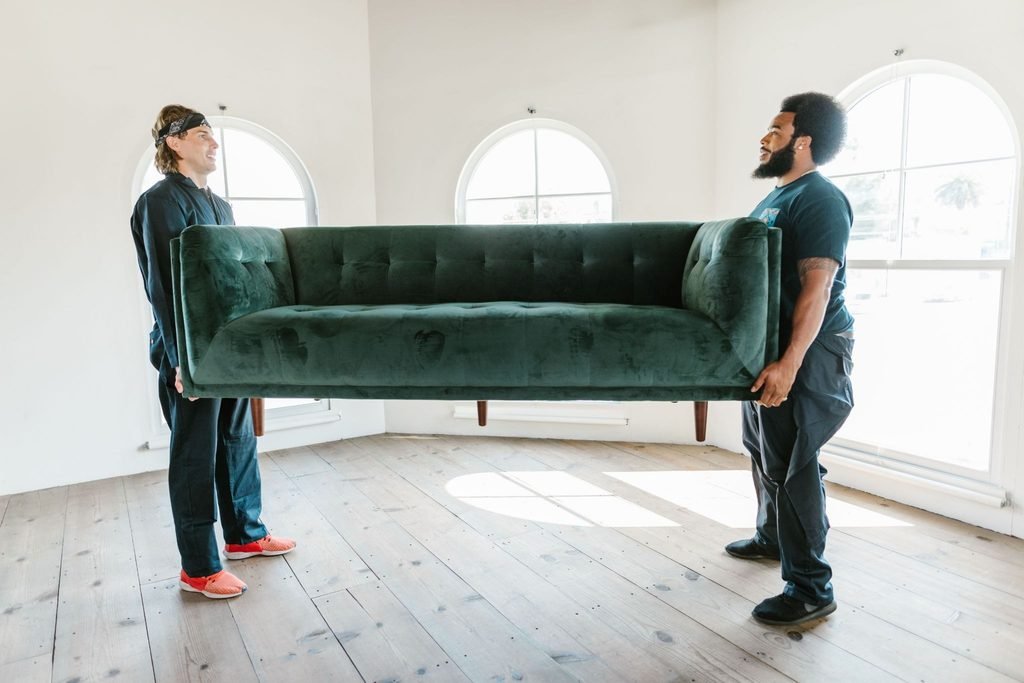
Three professional movers handling a large cabinet during a house move

The main difference is the way work can be shared and the flexibility available throughout the relocation.

Consideration2 Movers3 Movers
Smaller loadsOften suitableMay be more help than needed
Larger household loadsMay take longerMore flexibility to divide tasks
Bulky furnitureRequires coordinationAdditional handling support where appropriate
Difficult accessCan extend the jobExtra assistance may help
Multiple roomsSuitable depending on volumeUseful for larger inventories
Tight schedulesLess flexibilityMay help maintain workflow
Small office movesOften suitableDepends on equipment and workload

This is a general guide rather than a fixed rule. A third mover does not automatically make a relocation one-third faster because some tasks cannot be divided.

For example, furniture still needs to be wrapped, positioned and secured correctly. The time needed to travel between properties also remains unchanged regardless of crew size.

The benefit of an additional mover comes from better task distribution when the job genuinely requires it.

Does the Size of Your Home Tell You How Many Movers You Need?

Bedroom count is a useful starting point, but it should not be the only factor in your decision.

Here is a general guide to help you understand how different properties may affect crew requirements.

Studio or One-Bedroom Property

A two-person crew may be sufficient when the move involves a limited amount of furniture, a few appliances and a manageable number of boxes.

However, large furniture collections, difficult stair access or long carrying distances may change the recommendation.

Two-Bedroom Property

A two-bedroom move could suit either two or three movers.

A couple moving from a lightly furnished apartment may not need additional assistance. A family with two bedrooms, a fully equipped living area, outdoor furniture and garage storage may have a much larger inventory.

Three-Bedroom Property

A three-person crew may be worth considering for a fully furnished three-bedroom home, particularly when there are several large appliances, multiple wardrobes and numerous packed boxes.

However, the amount being transported and the property’s access arrangements should determine the final recommendation.

Larger Family Homes

Larger homes often involve additional storage areas that are easy to overlook.

Sheds, garages, outdoor furniture, garden equipment and spare rooms can add substantial volume. A more detailed assessment is usually helpful before deciding on crew size and truck requirements.

For a complete household relocation, explore the house removal service in Hobart and provide an accurate inventory when requesting an estimate.

How Access and Time Affect Your Moving Crew

A move is not simply about how many belongings need transporting. The time and effort required to get those belongings onto the truck and into the new property also matter.

Consider two different situations.

In the first, movers can park directly outside a ground-floor home, carry furniture through wide doorways and load everything without obstacles.

In the second, the property has a steep driveway, limited parking, several flights of stairs and narrow internal access.

Even if both homes contain the same furniture, the second move is likely to require more time and careful coordination.

Stairs, Lifts and Narrow Hallways

Apartments and multi-storey homes can create additional challenges.

Check whether furniture can fit through staircases, doorways and lifts. If building management requires lift bookings or specific loading arrangements, organise these before moving day.

Parking and Truck Access

Parking is particularly important when moving in built-up areas.

In parts of Hobart, narrow streets, limited kerbside parking and sloping properties can make it difficult to position a removal truck close to the entrance.

Inform your removalist about these conditions when requesting a quote. Parking arrangements and restrictions vary, so confirm any current requirements with the relevant council or property manager.

Moving Deadlines

Some relocations have strict time requirements.

You may need to vacate a rental property before a key handover, meet a building’s loading schedule or complete an office relocation outside normal working hours.

An additional mover may help with a substantial workload and restricted timeframe. However, the removalist should assess whether the extra person will make a practical difference.

Does Hiring Three Movers Cost More Than Two?

Generally, adding another mover can increase the labour component of a removal service. However, the overall cost should be considered alongside the time and work involved.

For example, a smaller crew may take longer to complete a substantial relocation. A larger crew may finish certain tasks more efficiently, but this does not guarantee a lower total cost.

The best option depends on the pricing structure and the specific requirements of your move.

When comparing quotes, ask:

  • Is the service charged hourly or at a fixed rate?
  • Is the truck included in the quoted price?
  • Are travel time and additional trips included?
  • Are there extra charges for stairs or difficult access?
  • What happens if the move takes longer than expected?
  • Are furniture protection and handling included?
  • Can the crew size be adjusted after an assessment?

Avoid choosing a removalist based solely on the lowest initial quote. An accurate assessment of the workload, clear inclusions and upfront pricing can help prevent unexpected costs.

Can You Make a Move Faster Without Hiring More Movers?

Yes. The organisation of your belongings can make a noticeable difference to how efficiently the crew works.

Even when you have selected the right number of movers, a poorly prepared property can create unnecessary delays.

Here are some practical ways to prepare.

Pack and Label Boxes in Advance

Complete as much packing as possible before the moving team arrives.

Label boxes according to their destination room and identify fragile contents clearly. This makes it easier for movers to place belongings in the correct areas when unloading.

Dismantle Suitable Furniture

Where appropriate, dismantle beds, tables and other furniture before moving day.

Keep screws, fittings and small components together in labelled bags so that reassembly is easier. Check with the removalist before dismantling items that require specialist handling.

Clear Walkways

Remove loose belongings, rugs and unnecessary obstacles from hallways and entrances.

Clear access helps movers carry furniture safely and reduces the risk of accidental damage.

Separate Items That Are Not Being Moved

Identify belongings that are staying behind, being donated or going to another destination.

Keeping these items separate prevents confusion during loading and helps the crew focus on the actual removal.

Communicate Special Requirements

Let the removalist know about fragile furniture, unusually heavy items, pianos, appliances and anything requiring special attention.

Providing this information beforehand allows the team to plan the appropriate handling arrangements and equipment.

What Information Should You Give the Removalist?

If you are unsure whether two or three movers are appropriate, provide enough information for the removalist to assess the job properly.

Try to include:

  • Pickup and delivery addresses or suburbs.
  • Number of bedrooms and the type of property.
  • A list of large furniture and appliances.
  • An estimate of the number of packed boxes.
  • Garage, shed and outdoor furniture requirements.
  • Stairs, lifts, narrow doorways and driveway details.
  • Heavy, fragile or specialised belongings, including pianos.
  • Whether packing, dismantling or additional assistance is required.
  • Your preferred moving date and any timing restrictions.

Photos or a short video walkthrough can also help communicate the volume of belongings and property access.

The more accurate your information, the easier it is for the removalist to recommend a suitable truck and crew size.

Avoid leaving out furniture or storage areas when requesting a quote. Significant differences between the original inventory and the actual workload can affect the agreed arrangement on moving day.

Packed boxes and furniture ready for a professional removal crew

Frequently Asked Questions

Is two hours enough for movers?

Two hours may be sufficient for a small, well-prepared job, such as moving a few furniture items over a short distance. A full household relocation can take considerably longer.

The time depends on the volume of belongings, property access, travel distance and whether packing or dismantling is required. Ask your removalist for an estimate based on your actual inventory.

What is the most expensive part of moving?

There is no single expense that is highest for every relocation. Removalist labour and transportation are often significant parts of the overall cost, but distance, furniture volume, packing materials, storage and additional services can also influence the final amount.

Request an itemised explanation of what your quote includes.

What is a good tip for three movers?

The most helpful thing is to organise the property before the crew arrives. Pack and label boxes, clear walkways, identify fragile belongings and communicate where furniture should go.

You do not need to direct every lifting task. Being available to answer questions and keeping access clear is usually more useful.

How many boxes are needed to move a two-bedroom house?

The number varies depending on how much you own, how many people live in the property and whether garages, cupboards and storage areas are included.

Instead of relying on a standard box count, pack room by room and estimate the number as you go. Share that estimate with your removalist and update it if the volume changes.

Is it better to hire two or three movers for a small house?

Two movers are often sufficient for a small, lightly furnished property with straightforward access. However, a smaller house with heavy furniture, stairs or a long carrying distance may benefit from additional assistance.

The best option depends on the actual workload rather than the property size alone.

Can I change the number of movers after booking?

This depends on the removal company’s scheduling and availability. If your inventory changes or you realise you need additional assistance, contact the company as early as possible.

Discussing changes beforehand gives the removalist more time to review the arrangement and confirm whether a different crew can be provided.

Conclusion: Choose a Moving Crew That Fits Your Needs

Choosing between two and three movers is about matching the crew to the volume, access conditions and timing of your relocation. Two movers may be ideal for a smaller, straightforward job, while three can offer greater flexibility for larger household loads, bulky furniture and more demanding access arrangements.

Neither option is automatically right for every property. Taking the time to explain your moving requirements will help you receive a more suitable recommendation.

Shaggy Removal Service provides household removals, office relocations and furniture transport in Hobart and across greater Tasmania. Whether you need two men and a truck or a larger moving crew, share your inventory, access details and preferred date to discuss the most appropriate arrangement.

Get in touch with Shaggy Removal Service for a free moving quote and plan your relocation with confidence.

What to Expect on Moving Day With Professional Movers

What to Expect on Moving Day With Professional Movers

Moving day can feel busy, even when you’ve planned ahead. Knowing what the removalists will handle and when you need to be available makes the day easier.

If you’re wondering what to expect on moving day, this guide explains each stage, from the crew’s arrival and furniture protection to the drive and unloading at your new property.

Before the Movers Arrive

Try to finish packing before the truck arrives. Seal and label boxes, clear hallways and keep essentials such as medication, keys, chargers, documents and valuables with you. These items should not be mixed in with the general load.

Give the removalist your current phone number and report any last-minute changes. For an apartment move, confirm lift and loading arrangements with the building manager. Check cupboards, wardrobes, sheds and outdoor areas before leaving.

Keep children and pets away from entrances and loading areas. The crew needs clear paths to carry furniture safely.

The Removalist Arrival and Walk-Through

When the team arrives, they will usually introduce themselves, confirm the job details and walk through the property. This gives everyone a chance to check the items being moved, access routes and any special instructions.

Point out fragile, unusually heavy or valuable belongings. Identify anything that must stay behind, and mention extra items that were not included in the original inventory. If the job has changed, ask how this affects the agreed work or quote before loading begins.

Access matters in Hobart. Steep driveways, sloping blocks, narrow streets, stairs and tight hallways can affect where the truck can park and how large items are carried. Tell the crew about any difficult access before they start.

Protecting Furniture and Preparing Items

Before furniture is loaded, the team may use moving blankets, protective wrapping and straps to help prevent scuffs and movement during transport. The approach depends on the item and the service agreed.

Larger pieces may need dismantling if this has been arranged. Keep fittings together and mention loose parts, delicate finishes or existing damage.

You can help by making sure boxes are sealed, drawers are emptied where necessary and appliances are prepared for transport. Do not assume the crew will pack loose belongings unless packing has been included in your booking.

Pianos, large mirrors, artwork and other special items may need extra planning or equipment. Make sure these have been discussed before moving day rather than leaving the details until the crew arrives.

Professional movers protecting furniture with bubble wraps and what to expect on moving day

Loading the Truck

Once items are ready, movers carry them to the truck and arrange the load. Heavier furniture and larger pieces are positioned carefully, while boxes and smaller belongings are fitted around them. Straps help secure the load and reduce movement while travelling.

Loading order depends on the items, truck space and unloading priorities. Tell the team if you need particular belongings accessible on arrival.

Keep doorways and pathways clear while the crew works. Avoid moving items through the loading area unless the team asks for help. If you have arranged a smaller move or furniture collection, the loading process may be quicker, but the same care with protection and securing still matters.

Understanding the Moving Day Timeline

A moving day timeline varies according to the amount being moved, access at both properties, travel distance and the services booked. A small furniture delivery will not follow the same schedule as a full household or office relocation.

A typical move includes:

  • Arrival and walk-through: Confirm the inventory, access and special instructions.
  • Preparation: Protect furniture and prepare larger items for carrying.
  • Loading: Move belongings to the truck and secure the load.
  • Travel: Drive to the destination, allowing for traffic and road conditions.
  • Unloading: Carry belongings inside and place them in the agreed rooms.
  • Final check: Check the property and truck for anything left behind.

Ask for an arrival window and estimated duration, but treat these as guides. Explain any key collection, handover or lift booking in advance.

Travelling to Your New Property

After loading is complete, the truck travels to your new address. Keep your phone nearby in case the driver needs directions or an update. If you are travelling separately, agree on where to meet and make sure you have the correct address.

Check destination access too. Narrow streets, steep driveways or limited parking can affect where the truck can stop. Report changes promptly.

Cool or wet weather can make paths slippery and furniture harder to handle. Keep entrances clear and, where possible, protect floors from wet shoes. Allow extra time if road or weather conditions may affect the journey.

Unloading and Placing Furniture

When the truck arrives, show the team where furniture and boxes should go. Labels such as “main bedroom” or “kitchen” are useful, but clear directions on arrival make a difference too.

Check the position of large items before the crew moves on. It is easier to adjust a bed, sofa or dining table while the team is already handling it than after the truck has been unloaded.

For an office relocation, identify where desks, cabinets and equipment belong. A simple floor plan or labelled workstation list can help the crew place items correctly and make it easier for staff to get organised.

Keep children, pets and other household members clear of doorways and lifting areas while unloading is underway.

what to expect on moving day, Professional movers positioning a sofa after unloading at a Hobart home

The Final Walk-Through

When unloading is finished, check each room and look through the truck before the crew leaves. Make sure items have been placed in the right areas and check the old property if you are responsible for clearing it.

If you notice damage or a missing item, raise it with the removalist promptly and follow the company’s process for recording and reporting the issue. Keep relevant booking details and photographs.

Confirm that the agreed work is complete and ask about any outstanding matters before settling the final paperwork or payment.

Moving Day Tips: What Should You Do?

You do not need to supervise every lift, but stay available for questions. Keep this checklist handy:

  • Keep your phone charged and accessible.
  • Have keys and access instructions ready.
  • Keep valuables, documents and essentials with you.
  • Make sure boxes are labelled and fragile items identified.
  • Keep children and pets away from loading areas.
  • Tell the crew where furniture and boxes should go.
  • Check the rooms and truck before the job is complete.

Frequently Asked Questions

What should I do on moving day?

Have your essentials, keys and important documents with you, keep pathways clear and make sure the movers can contact you. Be available to answer questions, point out fragile items and direct the crew where belongings should go. Before leaving, check the property and truck for anything that has been missed.

What’s the luckiest day to move into a new house?

There is no single day that is considered universally luckiest. Some people choose a date based on cultural traditions or personal beliefs. Practically, choose a day that gives you enough time to pack, arrange access, collect keys and settle in without rushing.

What should I do to prepare for moving day?

Finish packing, label boxes by room, separate valuables and essentials, and make sure appliances are ready for transport. Confirm parking, lift access and entry arrangements at both properties. Tell the removalist about any changes to the inventory or access before the crew arrives.

Which day is best for moving?

The best day depends on your schedule, property access and the removalist’s availability. A weekday may suit people who can arrange time away from work, while a weekend may be more convenient for families or businesses. Check building access, key handover times and any local parking restrictions before choosing.

Make Moving Day Easier to Manage

Knowing what to expect on moving day helps you prepare for each stage. Have belongings ready, explain access conditions and check the rooms and truck before the job is complete.

Shaggy Removal Service assists with house moves, office relocations and furniture transport in Hobart and across greater Tasmania. Explore the house removal service in Hobart or the two men and a truck option to see what may suit your move. You can also request a free moving quote to discuss your date and requirements.

How to Hire a Removalist in Hobart: A Step-by-Step Guide

How to Hire a Removalist in Hobart: A Step-by-Step Guide

Hiring a removalist should make moving house easier, not leave you wondering what you’ve actually booked. Whether you’re moving across Hobart, relocating from Sandy Bay to Kingston or arriving in Tasmania from interstate, choosing the right team takes a little planning.

Knowing how to hire a removalist means looking beyond the first quote. You need to understand what the job involves, compare services fairly, check insurance and agree on the details before moving day.

This guide walks you through the process, from estimating how much you need to move to confirming your booking, so you can make a confident decision and avoid preventable surprises.

Step 1: Work Out Exactly What Needs to Be Moved

Before contacting removalists, take a proper look at your belongings. The size of your home gives a rough indication of the job, but it doesn’t tell the whole story. A compact unit with heavy furniture, bulky appliances or difficult access can take more planning than a larger home with fewer belongings.

Walk through each room and make a list of the main items. Include:

  • Beds, wardrobes, sofas and dining furniture.
  • Fridges, washing machines and other large appliances.
  • Boxes, tubs and loose household belongings.
  • Outdoor furniture, tools and garage contents.
  • Fragile items, artwork and valuable belongings.
  • Oversized or specialised items, such as pianos or safes.

Also identify anything you don’t want moved. If you’re planning to donate furniture, dispose of unwanted items or take valuables in your own vehicle, separate these from the removal list.

For an office relocation, include desks, chairs, filing cabinets, computers, printers and other equipment. Think about what needs to remain accessible during the move and whether the business can operate while the relocation is underway.

A clear inventory helps when hiring movers in Hobart because the removalist can better understand the volume, equipment and labour involved.

Step 2: Consider Access at Both Properties

The amount of furniture is only one part of the job. Removalists also need to know how easily they can get it out of the old property and into the new one.

Check the access at both addresses. Are there stairs, lifts, narrow hallways, tight doorways or long paths from the entrance to the truck? Is there a steep driveway or limited room for a large vehicle?

These details matter in parts of Hobart where older homes, sloping blocks and narrow residential streets can make loading more involved. A large sofa may fit through the front door but be difficult to turn around a tight hallway or stair landing.

Before requesting a quote, make a note of:

  • The floor level at each property.
  • Whether stairs or lifts are involved.
  • Driveway slope and available loading space.
  • Distance between the entrance and likely truck position.
  • Any gates, low branches or restricted access points.
  • Whether the new property will be ready to receive furniture.

If you’re unsure, take photos or a short video of tricky areas and share them with the removalist. It’s better to explain an awkward entrance in advance than discover the problem when the truck arrives.

Step 3: Decide What Type of Removal Service You Need

Not everyone needs the same level of assistance. Some people want a team to handle the heavy lifting and transport, while others need help with packing, furniture preparation or a more specialised move.

Common options include:

House removals: Suitable for moving the contents of a house, unit or apartment. The team handles the agreed loading, transport and unloading tasks.

Two men and a truck: Often suitable for smaller household moves, selected furniture transport or jobs where a compact removal team is appropriate. The right crew depends on the size and handling requirements of the job.

Office relocation: Requires planning around desks, equipment, documents and business schedules. Confirm how items should be labelled and where they need to be placed at the new premises.

Specialist furniture or piano moves: Larger, delicate or unusually heavy items may need specific equipment and handling arrangements. Always mention these when requesting a quote.

You should also clarify whether packing, unpacking, dismantling and reassembly are included or available as additional services. Never assume they’re part of a standard removal booking.

If you’re arranging a household move, review the available house removal services in Hobart to understand the type of assistance you may need.

Step 4: Research and Shortlist Local Removalists

Once you understand the job, start choosing a moving company. Look for providers that service your pickup and delivery locations and have experience with the type of move you’re planning.

A local Hobart removalist may be familiar with residential access challenges around the city and surrounding suburbs. However, don’t choose a provider based on location alone. Consider the information they provide, how clearly they answer questions and whether their services match your requirements.

When researching companies, look at:

  • The services they actually offer.
  • Whether they handle your type and size of move.
  • Insurance information and what it covers.
  • Independent customer feedback and recent reviews.
  • Clear contact details and a professional quote process.
  • How they explain inclusions, exclusions and additional charges.

You can also read about the company’s approach to removalist services in Hobart before deciding whether it suits your needs.

Don’t be afraid to ask questions. A removalist should be able to explain the proposed service in plain language, including what you need to prepare yourself.

Removalists protecting furniture with moving blankets and straps

Step 5: Request Detailed Quotes From More Than One Provider

A quote is only useful if it reflects the actual job. Give each removalist the same basic information so you can compare their proposals fairly.

Provide:

  • Pickup and delivery addresses or suburbs.
  • Your preferred moving date.
  • Property type and approximate size.
  • A list of major furniture and appliances.
  • Details about stairs, lifts and difficult access.
  • Any fragile, oversized or specialist items.
  • Whether you need packing or other additional assistance.

Ask whether the quote is based on an hourly rate or a fixed price. Both arrangements can be suitable, but you need to understand how the final charge is calculated.

For an hourly quote, ask when the clock starts and finishes, whether travel time is included and how additional time is handled. For a fixed quote, check that the inventory, addresses and access details are accurate and that the agreed work is clearly listed.

A very brief estimate based on incomplete information may not reflect the real job. If you add furniture, change addresses or request extra services later, the arrangement may need to be revised.

Step 6: Check Insurance and Understand Your Responsibilities

Before booking a removalist, ask what insurance the company holds and what protection applies to your belongings during the move.

Don’t assume that a company being insured means every item is automatically covered in every situation. Ask for an explanation of the relevant cover, exclusions, claim process and any responsibilities you have when packing your own boxes.

It’s also worth understanding the difference between the removalist’s business insurance and cover that may apply to your goods while they’re being transported. If you have particularly valuable artwork, antiques or electronics, ask whether they need to be declared or arranged separately.

Read the quote and terms carefully before accepting. The ACCC’s guidance on consumer rights and guarantees explains the protections that apply when purchasing services in Australia. Its advice on contracts is also useful when checking the terms of an agreement.

Keep your quote, written confirmation and any messages about changes to the job. If something has been agreed verbally, ask for it to be confirmed in writing.

Step 7: Confirm the Booking Details

Once you’ve selected a provider, don’t leave the important details until the day before the move. Make sure you have a clear booking confirmation.

Check the following:

  1. Date and arrival window: Confirm the moving date and when the team is expected.
  2. Addresses: Check the pickup and delivery details carefully.
  3. Service inclusions: Confirm loading, transport, unloading, packing and any agreed extras.
  4. Crew and vehicle: Make sure the planned team and truck are suitable for the job.
  5. Quote arrangement: Confirm whether the booking is hourly or fixed-rate and how any changes are handled.
  6. Payment terms: Understand when and how payment is expected.
  7. Cancellation or rescheduling: Ask what happens if your settlement, lease or moving date changes.
  8. Contact person: Save the company’s contact details in case you need to communicate on moving day.

This is particularly important for renters and property buyers. If keys or settlement arrangements are delayed, the removalist may need to adjust the schedule. Discuss possible timing issues early rather than assuming the original booking can remain unchanged.

Step 8: Prepare Your Home Before the Removalists Arrive

A confirmed booking is only part of the process. Good preparation helps the team work efficiently and reduces the chance of important items being overlooked.

Start packing non-essential belongings early. Label boxes by room and mark fragile contents clearly. Keep heavy items in manageable boxes rather than filling large cartons with books or other dense belongings.

Before moving day:

  • Empty cupboards, drawers and storage areas as agreed.
  • Separate valuables, medication, documents and daily essentials.
  • Identify items that the removalist won’t transport.
  • Disconnect and prepare appliances according to manufacturer instructions.
  • Make sure walkways and entrances are clear.
  • Arrange access to both properties.
  • Protect items that need special attention.
  • Keep children and pets safely away from active loading areas.

If you’re moving during Hobart’s cooler or wetter months, have a plan for keeping boxes and belongings protected from rain. Avoid leaving furniture outside while waiting for the truck.

For a broader overview of the work involved, you can check the company’s house removal service information and confirm any preparation requirements directly.

A Quick Checklist Before You Hire a Removalist

Use this short checklist to make sure you’ve covered the essentials:

  • I’ve listed the furniture, appliances and boxes to be moved.
  • I’ve explained access conditions at both properties.
  • I’ve identified fragile, valuable and oversized belongings.
  • I’ve compared quotes based on the same job requirements.
  • I understand what the quote includes and excludes.
  • I’ve asked about insurance and goods-in-transit protection.
  • I’ve checked the payment, cancellation and rescheduling terms.
  • I’ve received written confirmation of the booking.
  • I’ve planned packing and moving-day preparation.

If you’re moving an office, add a separate equipment inventory and agree on how workstations, files and other business items should be handled.

Labelled moving boxes prepared for moving day

Frequently Asked Questions

How Much Does a Removalist Cost in Hobart?

The cost depends on the size of the move, the volume of belongings, travel between properties, access conditions, crew requirements and any extra services. An hourly rate and a fixed-price quote can also work differently. The most reliable way to understand the cost is to request a quote based on your actual inventory and moving details.

How Do I Get Ready for Removalists?

Start by sorting your belongings and finishing any packing that’s your responsibility. Label boxes, separate valuables and essentials, clear access paths and identify fragile or bulky items. Make sure the removalist knows about stairs, steep driveways, parking arrangements and any changes to the inventory before arrival.

How Much Money Do You Need to Move to Tasmania?

There isn’t one set amount because it depends on where you’re moving from, how much you own and whether you’re arranging transport, accommodation or a full relocation. Remember to budget beyond the removalist itself. Consider travel, temporary accommodation, cleaning, utility connections, storage and any costs associated with setting up your new home. Get quotes for the services you’ll actually need rather than relying on a general estimate.

How Much Does a Local Removalist Cost?

Local removal costs depend on the amount being moved, the time involved, access at each property, the crew size and the agreed service. Packing, furniture dismantling or specialist handling may affect the quote. Ask for a clear breakdown so you understand what you’re paying for before accepting.

Conclusion

Knowing how to hire a removalist comes down to preparation, clear communication and checking the details before you book. Understand your moving needs, compare like-for-like quotes and confirm the service in writing.

If you’re planning a move in Hobart or surrounding areas, Shaggy Removal Service can discuss your requirements and provide a free quote based on your job. Start with an accurate list of what needs moving, and you’ll be in a much better position to plan moving day.

Everything You Need to Know When Moving to Tasmania

Everything You Need to Know When Moving to Tasmania

If you’re thinking of moving to Tasmania, you’re probably drawn to the natural beauty, relaxed lifestyle and low cost of living. Mainland Australians seeking a change have made Tasmania a popular destination. But is it the right move for you? In this guide, you will learn everything you need to know about moving to Tasmania, from making the right decision to settling in easily.

Is Moving to Hobart the Right Choice for You?

Hobart is usually the first place that comes to mind when people think about moving to Tasmania. As the state capital, it offers a nice balance of city amenities with a cosy, small-town vibe. That said, it’s important to consider what you’re looking for. Hobart can be cooler in terms of weather, and housing prices have been rising. If you want a busy, fast-paced city, it might feel a bit quiet. But if you like the idea of living close to nature, with mountains and a river nearby, Hobart might be just right for you.

Avoiding Regret When Moving to Tasmania: What You Should Know

While Tasmania is a beautiful place to live, it’s important to be realistic before moving. One thing that can catch newcomers off guard is the sense of isolation. Being separated from the mainland can make it feel a bit remote, especially if you’re used to living in a big city.

Besides that, if you have plans to travel outside Australia, it’s better to keep in mind you will have to make extra stops on the way. This is because there are not many direct flights to other countries, which inevitably makes you stop on the mainland before flying out.

And, although Hobart and Launceston have growing economies, the job market is smaller compared to bigger cities, so it’s smart to secure work before you move. Also, keep in mind that while Tasmania is beautiful, the weather can be unpredictable, with cold winters and sudden changes in temperature.

Breaking Down the Cost of Living in Tasmania

A big reason many people move to Tasmania is that it’s cheaper to live there compared to cities like Sydney or Melbourne. However, while some things are cheaper, others are similar to mainland prices. For instance, utilities and groceries can be a bit more expensive due to higher shipping costs since Tasmania is an island.

Housing is where you’ll find the most savings. Although Hobart’s housing prices have been increasing, with the prices at around $817,500, it’s still less expensive than in major mainland cities. If you’re renting, expect to pay between $450 and $500 per week. Transport is also reasonably priced and commutes are short. However, most people rely on cars because public transport is also limited. In contrast, fuel tends to be cheaper.

Top Things to Do in Tasmania for New Residents

Leaving your home and moving to Tasmania isn’t only about finding a new home, it’s about enjoying what Tasmania has to offer. There’s plenty to enjoy, with beautiful landscapes and a rich cultural life.

Outdoor Adventures

Over 40% of Tasmania’s land is protected as a national park or a World Heritage site and is waiting to be explored. You’ll find some of the best beaches and breathtaking landscapes Tasmania has to offer. These include hiking the rugged Cradle Mountain, visiting the stunning Freycinet National Park, or enjoying a scenic drive along the East Coast.

Food and Wine

Tasmania is famous for its fresh food and local wines. Browsing farmer’s markets for organic veggies and fresh seafood will be something you’ll love. Tastings in the Tamar Valley are a must for wine lovers.

Cultural Experiences

Hobart is really coming on in the arts scene, and Tasmania as a whole is seeing its arts scene really take off. The famous gallery MONA attracts visitors from all over. Don’t miss big events such as Dark Mofo or the Taste of Tasmania food festival.

Exploring Real Estate in Tasmania: Where to Live

If you are looking for a real estate option in Tasmania, there are several to choose from. The most popular city is Hobart, but Launceston, Devonport and smaller towns such as Burnie and Richmond are also great choices.

Hobart: Hobart has a thriving arts scene a beautiful waterfront, and draws professionals, families and retirees. The housing market here is still growing.

Launceston: Launceston is the second largest city in Tasmania, and it’s close to wine regions. If you’re after both urban and rural living, it’s a good pick.

North West Tasmania: Towns such as Devonport and Burnie have stunning coastlines and affordable homes if you’re looking for a more laid-back lifestyle.

Tasmania’s Population and What It Means for Your Move

Tasmania is Australia’s least populated state, with just over 557,000 people. This is part of its charm: you won’t have to deal with big city traffic or long commutes, and there’s no overcrowding.

This smaller population has produced a very strong sense of community, particularly in regional towns. However, if you’re coming from a big city, this slower pace might be a little difficult to adjust to. Many people like friendly locals and the laid-back lifestyle.

Trust Shaggy Removal for local moving services in Hobart, Tasmania

Moving to Tasmania can seem like a big change, but it doesn’t have to be. If you’re looking to make the transition easier, Shaggy Removal Service is here to help. Our removal company is based in Hobart and offers local removal services.

For house removals, office removals, or furniture pick up and delivery, call Shaggy Removal Service, and our team will help you promptly!

Moving House Checklist 2025

Moving House Checklist 2025

Moving house is often considered as stressful as changing jobs or going through a breakup. It’s no surprise, it’s a rollercoaster of packing and organising and desperately trying to remember where you put the kettle! But here’s the thing: It doesn’t have to be this hard, you just need a moving house checklist!

With the right plan in place, you can turn the chaos into a calm, manageable process. Say goodbye to last-minute scrambling and hello to a moving experience that’s (almost) enjoyable. If you’ve been wondering why moving house is so stressful or looking for tips on how to organise moving house, this guide has got you covered.

Whether it’s your first or tenth move, this moving house checklist Australia will help you stay on top of things and feel calm throughout the process.

Steps for your moving house checklist

Check everything you need to be well-prepared when moving house.

Start Planning Your Move Early

Planning your move as early as possible can make the whole process much easier. Begin by drafting a moving house list that breaks down what you need to do in the lead-up to moving day. Breaking everything into daily or weekly goals makes it less daunting and more manageable.

Decide early on what day you want to move. Weekends might be the obvious choice, but they can also be busy.

Try dedicating just 20 minutes a day to packing items you don’t use often or organising your to-do list. Little steps like these add up quickly and help you stay ahead. If you’re not sure what to do when moving house, starting with small, actionable goals will make the process feel much more manageable.

Sort, Declutter, and Downsize Your Items

Moving house is the perfect opportunity to declutter. Go through each room in your home and sort your belongings, asking yourself, “Do I really need this?” If the answer is no, now’s the time to part ways with it. By decluttering early, you’ll have less to pack, less to carry, and an easier time unpacking. Fewer boxes to lift means less stress on moving day!

Sort your items into three main groups:

  • Keep: Things you’ll definitely use in your new place.
  • Donate/Sell: Clothes, furniture, appliances that are in good condition and someone else can use.
  • Dispose: Something that is broken, worn out, or has passed its use.

Selling unwanted items on platforms like Facebook Marketplace or Gumtree can also help offset some of your moving costs. These moving house tips will help you save time and energy when it counts.

Secure Professional Removalist Services

The difference between a stressful move and a smooth move can be finding a reliable removalist, like Shaggy Removal & Delivery Service. Our Hobart Removalists have the experience and care to handle fragile and heavy furniture with no hassle.

Our team is well-organised to provide removal service fast and efficiently. If required, we can also provide packing items such as boxes and tapes and help you pack all your belongings.

Notify Authorities and Update Your Address

It’s not a big job, but changing your address will save you a lot of headaches in the future. Start by jotting down a list of everyone you need to notify, including:

  • Australia Post.
  • Utilities, like electricity, gas, and water.
  • Financial institutions and banks.
  • Home, car and contents policies insurances.
  • Your driver’s licence and vehicle licensing and registration authorities.
  • If it applies to your family, schools or daycare.
  • Subscriptions, like streaming services, magazines, or gym memberships.

This is one of the most important things on your moving house checklist. Don’t forget to tell friends and family your new address!

Prepare a Survival Kit for Moving Day

When moving day comes around, your survival kit will come in handy. Basically, it’s a bag or a box with everything you’ll need to get through the move and your first night. That way, you’re not rummaging through piles of boxes to find the essentials. One of the most helpful moving house tips is to pack this ahead of time.

Here’s what you’ll want to include:

  • Some towels, soap, toothpaste, and toothbrushes.
  • Things to keep you going through the day, like snacks and drinks.
  • All your phone, tablet,and  laptop chargers.
  • A change of clothes and some bedding for everyone in the family.
  • A small first-aid kit in case of minor mishaps.
  • Basic kitchen items—think a kettle, mugs, plates, and cutlery.

Secure Utilities and Finalise Moving Documents

Additionally, it’s a good idea to have all your important documents in one place. Have things like your removalist’s contact info, lease or purchase agreements and any other move related paperwork handy. If you’ve bought a home, make sure you check the settlement date and when you can actually pick up the keys.

If you plan ahead, you will have all the details covered and won’t be scrambling last minute to fix these things on moving day. A well-organised moving house checklist Australia is the best tool to keep you on track.

Let Shaggy Take the Stress Out of Your Move

We know moving house is a big deal, and that’s why at Shaggy Removal Service, we do it all. Packing up your life and starting fresh isn’t just about shifting furniture. However, our expert team is on hand to make what could be a stressful experience into a smooth, organised and surprisingly easy one.

Why should you let the weight of moving weigh you down? You can focus on settling into your new home and starting your new chapter, we’ll take care of the heavy lifting. Shaggy Removal Service will have you unpacked and on your way to your new home in no time.

How to Pack Your House to Move

How to Pack Your House to Move

Are you feeling overwhelmed by the thought of packing your entire house for a move? It’s understandable – moving out can feel like a huge task. But with the right strategy, it doesn’t have to be stressful. Moving to a new home is an exciting step, and being organised with your packing can make everything go much more smoothly. 

Follow these simple yet effective tips to pack your house to move efficiently and make your moving day hassle-free.

Declutter and Downsize Before You Pack Your House to Move

Simplifying your packing starts with how to declutter your house. Having fewer things to pack makes the move cheaper, faster, and simpler. These declutter house tips will help you get a fresh start and make packing much easier:

  • Start with a plan: Sort items room by room and put them into piles to keep, donate, sell, or throw away. Breaking it down into steps will keep you on track. Plus you won’t have to carry all those things to your new house.
  • Be honest with yourself: Questions to ask are, “Do I use this daily?” and “Does this thing really make a difference in my life?” If the answer is no or not sure, it’s probably time to let it go.
  • Find a second life for good items: Donate clothes, furniture, or other usable items to a local charity. You can also sell items online or through a garage sale.
  • Dispose of unwanted things thoughtfully: Recycle when possible and responsibly discard anything that’s broken or worn out. This will help minimise waste.

Gather Essential Packing Supplies

Gathering supplies will make it easier when you’re figuring out how to pack up a house for moving. First, create a checklist of what you will need, and get the materials on hand before you start so you won’t have to rush at the end.

  • Sturdy boxes: Get a variety of sizes. Heavier items, like books, go in smaller boxes and lighter items, like blankets or clothes, go in bigger boxes.
  • Packing tape: To keep your boxes sealed during the move, you need high-quality tape.
  • Protective materials: Fragile items, such as plates and glasses, can be protected with bubble wrap, butcher’s paper or even towels and blankets from the house.
  • Plastic bags: They are good for small items or liquids to keep them contained so you don’t spill them.
  • Pen: Use a pen to label all the boxes.

Organise Your Packing Room by Room

Breaking it down room by room is the best way to manage how to pack and move house efficiently.

  • Breaking it down room by room is the best way to manage how to pack and move house efficiently.
  • Keep similar items together: Put everything from the same room or category in one box. For example, keep all your bathroom items together rather than tossing them with kitchen items.
  • Pack a “moving day” essentials box: Should contain toiletries, phone chargers, medications, important documents, and anything you’ll need right away.

Mark and Categorise Boxes Clearly

By labelling and categorising boxes appropriately, you will save yourself a lot of time and effort when moving. It also makes it so movers know where to put each box, so that unpacking in your new home is faster. This step is essential when learning how to pack your house to move.

  • Write clear labels: Use the room name and a short description of what’s inside each box. For instance, label one “Kitchen – Pots and Pans”, or “Kitchen Delicates – Glasses and Plates” so that you can see it without having to open it.
  • Use a colour-coded system: Give each room a colour, like green for the kitchen, blue for the bedroom. Match coloured tape or stickers on the boxes for easy identification.

Handle Fragile Items with Extra Care

Fragile belongings like glassware, electronics, and decorations need special care to ensure they arrive undamaged. Spending a bit more time packing these items properly can help you avoid damage or costly replacements. These tips are vital when figuring out how to pack up a house for moving.

  • Wrap each item carefully: Use materials like bubble wrap, butcher’s paper, or even soft towels to cushion delicate items. Wrapping each item separately adds an extra layer of safety.
  • Pack heavier items at the bottom: Pack heavier items at the bottom. Lighter items go on top and heavier items go in the bottom of the box. Fill any gaps with crumpled paper or packing peanuts to stop items moving around while moving. 
  • Double-tape the box: Reinforce the box by adding extra layers of tape to the top and bottom. This prevents them from breaking open under pressure.
  • Mark as fragile: Label boxes with delicate items as “FRAGILE” in large, bold writing so they are handled with care throughout the move.

Get Professional Help to Pack your House to Move

These tips are perfect for anyone looking for advice on how to declutter your house before moving and tackling how to pack and move house the right way. Packing and moving can be indeed challenging, but you don’t have to manage it all on your own. Hiring professional movers can make the process both safer and more efficient.

At Shaggy Removal Service, we understand how demanding moving can be, and we’re here to make it simpler and more manageable for you. 

We focus on making the process straightforward and stress-free so you can concentrate on settling into your new space. Our team of removalists in Hobart know exactly how to handle your most fragile items with proper care. Besides that, we offer all the boxes, tapes and bubble wraps if you’d like so.

ave yourself time and effort – contact us today for a free quote and let us handle the hard work as you pack your house to move with ease.

Book Online Call Us