
DIY Move vs Removalist: Which Is Better for Your Move?
Moving house can be expensive, so it is natural to wonder whether you really need professional help or could handle everything yourself. When comparing a DIY move vs removalist, the decision involves more than the cost of hiring a truck.
Moving yourself can save money on labour, particularly if you have a small load and plenty of willing helpers. However, truck hire, fuel, equipment, time, physical effort and the risk of damaging belongings can quickly change the calculation.
So, should you hire movers or DIY? This guide compares the costs, workload, risks and practical considerations to help you decide what makes sense for your move in Hobart or elsewhere in Tasmania.
DIY Move vs Removalist: What Is the Real Difference?
A DIY move means organising the truck, packing, lifting, transport and unloading yourself, often with help from friends or family. You are responsible for coordinating each stage, from collecting the vehicle to making sure everything reaches the new property.
Hiring a removalist means paying a professional crew to handle some or all of the physical move. Depending on the service you arrange, this may include loading, transporting, unloading and handling larger furniture.
Neither option is right for everyone. A student moving a few boxes between nearby properties has different needs from a family relocating a fully furnished home.
The important thing when comparing a DIY move vs removalist is to consider the complete workload and cost, not just the truck hire against a removalist quote.
Is It Cheaper to Move Yourself?
It can be. If you have a small amount to move, access is easy and you can borrow suitable equipment, moving yourself may be the more economical choice.
However, the cost of moving yourself includes more than hiring a vehicle. Before deciding that DIY is cheaper, consider the expenses and time involved.
- Truck or van hire: Check the vehicle size, hire period, collection and return arrangements. A vehicle that is too small could mean making additional trips.
- Fuel and travel: Include fuel, travel to collect the vehicle and the journey required to return it.
- Moving equipment: You may need a trolley, straps, blankets and protective materials to handle furniture safely.
- Packing supplies: Boxes, tape, bubble wrap and other wrapping materials can add to the total.
- Extra help: Friends may be happy to help, but you still need enough people to handle the load safely.
- Your time: Packing, loading, driving, unloading and returning the vehicle can take much of your day.
There may also be costs if something goes wrong. Damaged furniture, scratched walls or an item that cannot fit through a doorway can create additional problems and expense.
Compare these costs with a professional quote that clearly explains what is included. A removalist may offer better overall value when the move involves heavy furniture, several rooms or difficult access.
What Does a Removalist Quote Include?
Before comparing a DIY move vs removalist, check exactly what you are paying for. Quotes can differ depending on the crew size, vehicle, estimated workload and services included.
Ask whether the quote covers loading, transport and unloading, and whether protective blankets and straps are provided. Also clarify how additional work, waiting time, extra trips or difficult access could affect the final cost.
A clear comparison helps you avoid choosing DIY simply because the initial truck hire price looks lower.
When Does Moving Yourself Make Sense?
A DIY move can be practical when the job is manageable and you have the right resources. It is not necessarily the wrong choice; it simply works better for some types of relocation than others.
Consider moving yourself if:
- You have a small load: A few boxes, bags and manageable furniture pieces may not require a full removal service.
- The properties are close together: A short journey can make transport easier to organise.
- You have suitable help: Friends or family are available and understand the work involved.
- Access is straightforward: There are no difficult staircases, narrow entrances or steep driveways.
- You have enough time: You can pack, collect the vehicle and complete the move without rushing.
- You have the right vehicle and equipment: The truck or van is suitable for your belongings, and you have the materials needed to secure the load.
For example, a student moving from one furnished room to another may only need a small vehicle and a little assistance. A full household move is a different proposition.
Be realistic about what you can safely lift and transport. A heavy fridge, solid timber cabinet or large sofa may be difficult to manage without proper equipment and experience.
When Is It Better to Hire Movers?
Professional movers are worth considering when the job is physically demanding, involves valuable belongings or needs to be completed within a set timeframe. In these situations, the convenience and reduced workload may justify the cost.
You Have a Full Household to Move
A family home can contain far more than the furniture in the main rooms. Garages, sheds, outdoor areas, cupboards and storage spaces can add considerably to the load.
A removalist crew can organise the loading and transport process, helping you avoid managing every part of the move yourself. You can explore the house removal service in Hobart if you need help relocating a household.
There Are Heavy or Awkward Items
Pianos, large wardrobes, refrigerators and bulky lounge suites can be difficult to manoeuvre through doorways and down stairs. They may require extra people, suitable equipment and careful planning.
Trying to handle these items without the right experience can put people and belongings at risk. If you have unusually large or valuable items, mention them when requesting a quote rather than assuming they can be handled as part of an ordinary load.
You Have Difficult Property Access
Hobart homes can have steep driveways, narrow streets, stairs and limited areas for loading. These conditions can make a DIY move more complicated, particularly when you are driving a larger rental truck for the first time.
Professional movers can assess the access conditions and plan how to handle the job. Sharing details about parking, entrances and stairs before moving day helps the crew prepare.
You Need to Save Time
Moving yourself means coordinating every stage. If you are working, managing children or preparing to hand back a rental property, the time involved can become a major consideration.
Hiring a crew allows you to focus on other moving tasks while the physical loading and transport are handled by the agreed team. It can also make the day easier to organise when several rooms or large furniture items are involved.
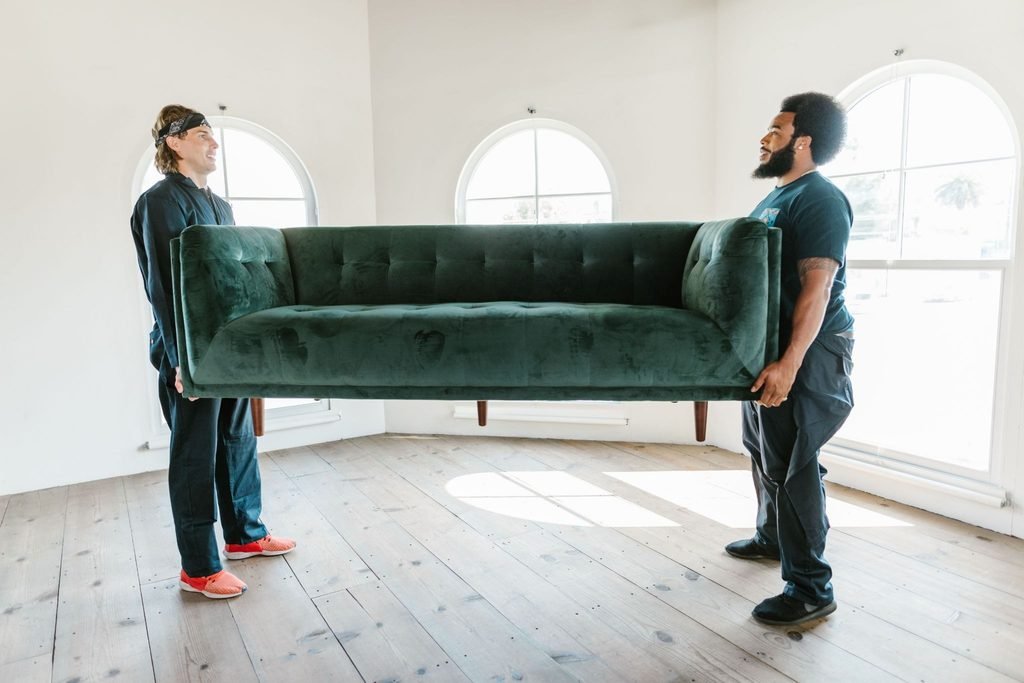
DIY Moving Risks: Time, Injuries and Damaged Belongings
The biggest disadvantage of a DIY move is that you take responsibility for organising and carrying out the work. Even when friends or family offer to help, you are still coordinating the vehicle, equipment, loading and transport.
Physical Strain and Injury
Lifting heavy furniture, carrying boxes repeatedly and navigating stairs can put considerable strain on your body. Awkward loads and sudden movements can also cause injuries.
Safe Work Australia’s guidance on lifting, pushing and pulling explains the risks associated with hazardous manual tasks. If you are unsure whether an item can be moved safely, do not attempt to lift it without suitable help or equipment.
Damage to Furniture and Property
Without suitable blankets, straps and handling equipment, furniture can be scratched or damaged during loading and transport. Walls, doorframes and floors can also be marked when large items are moved through tight spaces.
Professional removalists use protective materials and plan how to handle furniture. This does not remove every possible risk, but it can help reduce avoidable damage.
Underestimating the Time Involved
A DIY move often takes longer than expected. Packing, collecting the truck, loading, driving, unloading and returning the vehicle all need to fit into your schedule.
If you underestimate the workload, you may end up rushing towards the end of the day. That can make handling belongings more difficult and leave little time to deal with unexpected problems.
DIY Move vs Removalist: A Quick Comparison
| Factor | DIY move | Professional removalist |
| Upfront expense | May be lower for small loads | Requires a removal quote |
| Physical work | Mostly your responsibility | Crew handles agreed moving work |
| Time and organisation | You coordinate everything | Crew manages the removal tasks |
| Equipment | You arrange it | Confirm what is provided |
| Damage risk | Depends on your handling and preparation | Professional handling can reduce risks |
| Flexibility | You control your schedule | Depends on booking availability |
| Heavy furniture | You arrange suitable help | Crew can handle agreed items |
The right choice depends on your priorities. If keeping costs down is most important and the load is small, DIY may suit. If you want to reduce the physical workload and have a larger move to manage, professional help may be worthwhile.
A Middle Ground: Do Some Tasks Yourself and Hire Movers for the Rest
You do not always have to choose between doing everything yourself and paying for a complete removal service. A practical option is to handle the tasks you can manage and hire movers for the heavier work.
For example, you could:
- Pack your own boxes and label them by room.
- Sort belongings and arrange donations or disposal before moving day.
- Prepare suitable household items according to their instructions.
- Ask movers to handle large furniture, appliances and transport.
- Arrange separate specialist assistance for items such as a piano.
This approach can reduce the amount of professional assistance you need while leaving the more demanding parts to an experienced crew.
If you are comparing services, ask whether an hourly arrangement or a defined removal job better suits the work you want handled. Make sure you understand what you are expected to prepare before the crew arrives.
How to Decide: A Checklist Before You Book
Before choosing between a DIY move vs removalist, consider these questions:
How much are you moving? A few boxes are very different from a fully furnished home. Make a basic inventory of furniture, appliances and boxes.
Are there heavy or fragile items? Identify pianos, appliances, glass furniture and oversized pieces that may need special handling.
What is access like? Check stairs, driveways, entrances and truck access at both properties.
Do you have enough help? Make sure you have suitable people and equipment, not just willing volunteers.
How much time can you spare? Include packing, loading, travel, unloading and vehicle return.
Have you compared the full costs? Include truck hire, fuel, supplies and equipment alongside the removalist quote.
What happens if the move takes longer than expected? Consider vehicle return deadlines, additional hire time and the availability of your helpers.
These questions should give you a clearer idea of how demanding the move will be and whether doing it yourself is genuinely worthwhile.
Frequently Asked Questions
What Is the Cheapest Moving Option?
For a small move, using your own vehicle or hiring a van may be cheaper. For larger moves, compare all DIY expenses with a professional removalist quote, including equipment, fuel and the time required.
What Do Professional Movers Hate to Move the Most?
There is no universal list, but very heavy, awkward, fragile or poorly prepared items need extra planning. Always tell movers about unusual or bulky belongings before booking so they can assess the requirements.
Is It Cheaper to Move Yourself?
It can be, especially when you have few belongings and suitable help. However, truck hire, fuel, equipment, packing supplies and your time all contribute to the total cost. Compare the full expense before deciding.
What Is the Most Efficient Way to Move from One House to Another?
Pack early, label boxes, clear access routes, organise transport and arrange help for heavy items. A clear plan makes either a DIY or professional move easier.

Conclusion: Choose the Approach That Works for You
When comparing a DIY move vs removalist, think beyond the initial expense. A small, straightforward move may be manageable yourself, while a larger household relocation can involve more time, physical effort and risk than expected.
The best option is the one that suits your belongings, budget, schedule and access conditions. Compare the complete costs, understand the work involved and decide which tasks you are comfortable handling.
If you would rather leave the heavy lifting and transport to an experienced crew, Shaggy Removal Service can help with moves in Hobart and across Tasmania. Request a free moving quote and discuss the size of your move and the assistance you need.